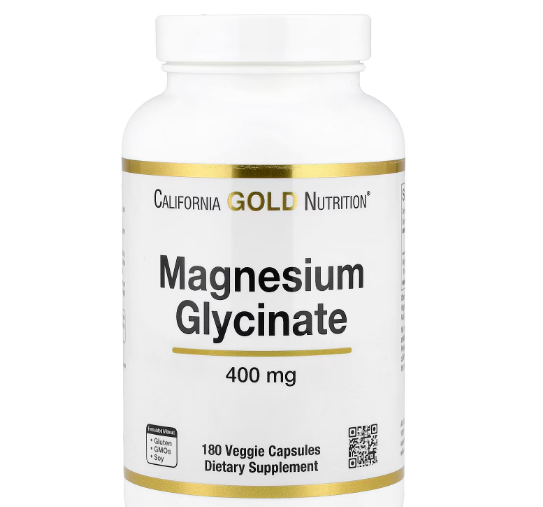
Magnesium is an essential mineral that supports hundreds of biochemical processes in the human body. Among the many available magnesium supplements, magnesium glycinate is one of the most popular because of its high absorption and gentle effect on the digestive system. Many healthcare professionals recommend this form for individuals who need magnesium supplementation without the digestive discomfort sometimes associated with other forms.
People search for magnesium glycinate to learn whether it can support muscle function, sleep quality, relaxation, nerve health, and overall wellness. Understanding how this supplement works, its potential benefits, recommended usage, and possible side effects can help individuals make informed decisions in consultation with a healthcare professional.
This guide explains everything you need to know about magnesium glycinate in an easy-to-understand and evidence-based manner.
What Is Magnesium Glycinate?
Magnesium glycinate is a dietary supplement made by combining magnesium with the amino acid glycine. This combination is known as a chelated form of magnesium, which helps improve absorption in the body.
Compared with some other magnesium supplements, magnesium glycinate is generally less likely to cause digestive discomfort, making it a common choice for long-term supplementation.
Magnesium Glycinate Benefits
Magnesium glycinate may provide several health benefits when used appropriately.
Magnesium Glycinate for Muscle Function
Magnesium plays an important role in normal muscle contraction and relaxation. Adequate magnesium intake supports healthy muscle function and may help individuals who have low magnesium levels.
Magnesium Glycinate for Sleep
Many people choose magnesium glycinate because glycine itself is involved in relaxation. While research continues, some individuals report improved sleep quality when magnesium deficiency is corrected.
Magnesium Glycinate for Nervous System Support
Magnesium contributes to the normal functioning of the nervous system and supports communication between nerves and muscles.
Magnesium Glycinate for Heart Health
Magnesium helps maintain normal heart rhythm and supports healthy cardiovascular function as part of an overall balanced diet.
Magnesium Glycinate for Bone Health
The mineral contributes to normal bone maintenance and works alongside nutrients such as calcium and vitamin D.
Magnesium Glycinate Uses
Healthcare providers may recommend magnesium glycinate for various reasons depending on individual needs.
Common uses include:
- Supporting healthy magnesium levels
- Muscle function
- Nerve function
- Bone health
- General wellness
- Individuals who require a well-absorbed magnesium supplement
Supplementation should be based on medical advice, especially for people with existing health conditions.
Magnesium Glycinate Dosage
The appropriate dosage depends on several factors, including:
Age
Recommended magnesium intake varies by age group.
Sex
Adult men and women have different daily magnesium requirements.
Diet
Individuals who obtain sufficient magnesium from food may not require supplementation.
Medical Advice
Always follow dosage recommendations provided by a healthcare professional or the product label.
Avoid taking more than the recommended amount unless advised by a qualified healthcare provider.
Food Sources of Magnesium
Although supplements are helpful in certain situations, many people can increase magnesium intake through food.
Foods rich in magnesium include:
- Spinach
- Pumpkin seeds
- Almonds
- Cashews
- Black beans
- Whole grains
- Avocados
- Dark chocolate
- Peanuts
A balanced diet remains the preferred source of nutrients whenever possible.
Magnesium Glycinate vs Other Magnesium Supplements
Several forms of magnesium supplements are available.
Magnesium Glycinate
Known for high absorption and generally good digestive tolerance.
Magnesium Citrate
Often used for magnesium supplementation and may also have a laxative effect in some individuals.
Magnesium Oxide
Contains a high amount of elemental magnesium but is generally absorbed less efficiently than some other forms.
Magnesium Malate
Commonly chosen for individuals seeking another highly absorbable form of magnesium.
The best option depends on individual health needs and medical advice.
Possible Side Effects of Magnesium Glycinate
Most people tolerate magnesium glycinate well when taken as directed.
Possible side effects may include:
- Mild stomach discomfort
- Nausea
- Loose stools (less common than with some other forms)
- Digestive upset in sensitive individuals
Taking more than recommended increases the risk of side effects.
Who Should Be Careful with Magnesium Glycinate?
Before taking any supplement, consult a healthcare professional if you:
- Have kidney disease
- Take prescription medications
- Are pregnant or breastfeeding
- Have chronic medical conditions
- Are planning surgery
Some medications may interact with magnesium supplements.
Tips for Taking Magnesium Glycinate
To use magnesium glycinate effectively:
- Follow the recommended dosage.
- Read product instructions carefully.
- Take it consistently if advised by your healthcare provider.
- Inform your healthcare professional about other supplements you use.
- Store supplements according to the manufacturer’s instructions.
Why Magnesium Is Important
Magnesium contributes to numerous normal body functions, including:
- Energy production
- Muscle function
- Protein synthesis
- Nervous system function
- Bone maintenance
- Electrolyte balance
Maintaining adequate magnesium intake is an important part of overall health.
For readers looking to learn more about magnesium glycinate, nutrition, dietary supplements, and evidence-based wellness information, latitudea.com offers informative articles that explain health topics in clear, reader-friendly language. The website focuses on practical education and encourages readers to make informed decisions using reliable information alongside professional medical advice.
Final Thoughts
Magnesium glycinate is one of the most widely used magnesium supplements because of its excellent absorption and generally gentle digestive profile. It supports many normal body functions, including muscle activity, nerve function, and bone health. While supplementation can be beneficial for individuals with inadequate magnesium intake or increased needs, it should complement—not replace—a balanced diet and healthy lifestyle. Consulting a qualified healthcare professional before starting any supplement is the safest approach.
Frequently Asked Questions
What is magnesium glycinate?
Magnesium glycinate is a supplement that combines magnesium with the amino acid glycine to improve absorption.
What are the benefits of magnesium glycinate?
It supports normal muscle function, nervous system function, bone health, and overall magnesium intake when supplementation is appropriate.
Is magnesium glycinate better than magnesium citrate?
Both forms have different uses. Magnesium glycinate is generally known for good absorption and digestive tolerance, while magnesium citrate may have a stronger laxative effect.
When should magnesium glycinate be taken?
The timing depends on individual preference and healthcare advice. Follow the product instructions or your healthcare provider’s recommendation.
Are there side effects of magnesium glycinate?
Most people tolerate it well, but some may experience mild digestive discomfort or nausea, especially if taken in excessive amounts.
Can everyone take magnesium glycinate?
Not necessarily. People with kidney disease, certain medical conditions, or those taking specific medications should consult a healthcare professional before using magnesium glycinate.
If you’d like, I can also Optimize this article further for featured snippets and higher SEO competitiveness while keeping the keyword repetition below your requested limit.