
Education is no longer limited to classrooms, textbooks, and traditional teaching methods. Students today use the internet to explore academic subjects, discover study techniques, learn about technology, and prepare for future career opportunities. Online information platforms have made it easier to access educational guidance and practical knowledge from almost anywhere.
iStudyInfo.org is an online platform associated with educational and informational content. When exploring a website like iStudyInfo, readers should check its actual articles and resources to understand what it offers. It is also important to distinguish the .org domain from similarly named websites using .com.in or .co.in, as these are separate domains with different content.
Digital learning resources can support students by making information more accessible, encouraging independent learning, and helping readers develop useful skills. Their value depends on the accuracy, relevance, and quality of the material they provide.
What Is iStudyInfo.org?
iStudyInfo.org is a website that appears in search results with educational content and information about study-related topics. However, search results also show several similarly named platforms, including iStudyInfo.com.in and iStudyInfo.co.in. These websites should not be treated as the same organization.
The exact .org domain should be evaluated independently by reviewing its published content, website information, and available contact details.
For students and general readers, this distinction is important because a familiar website name does not necessarily mean that different domain extensions belong to the same publisher.
Why Online Educational Resources Are Important
Online educational resources have become valuable because they allow students to explore information beyond their regular classroom lessons. They can revisit explanations, research unfamiliar subjects, and develop learning habits at their own pace.
Some important advantages include:
- Flexible learning: Students can access information at convenient times.
- Independent research: Online resources encourage learners to explore subjects beyond their textbooks.
- Different explanations: Articles and tutorials can present difficult concepts in simpler language.
- Skill development: Digital learning can introduce students to communication, research, and technical skills.
- Career awareness: Educational content can help learners explore different academic and professional paths.
These benefits make online resources useful additions to traditional education.
How Digital Platforms Support Better Study Habits
Good study habits help students manage their time, understand lessons, and prepare for examinations. Online educational articles can introduce practical techniques that learners can adapt to their individual needs.
Creating a Consistent Study Schedule
A regular study routine makes it easier to divide time between different subjects. Students can create daily schedules that include reading, revision, practice questions, and short breaks.
A realistic timetable should consider school hours, personal responsibilities, and individual concentration levels.
Setting Clear Learning Goals
Instead of trying to complete everything at once, students can divide larger academic tasks into smaller goals.
For example, a student preparing for an examination might set a target to complete one chapter, solve practice questions, and revise important concepts each day.
Practising Active Learning
Reading information repeatedly does not always lead to strong understanding. Active learning techniques encourage students to engage with the material.
Useful methods include:
- Writing summaries in their own words.
- Answering questions without looking at notes.
- Creating flashcards for important terms.
- Explaining difficult concepts to another person.
- Solving practice exercises regularly.
These activities help learners identify areas that need additional attention.
The Role of Technology in Modern Education
Technology has changed how students access lessons, communicate with teachers, and organize academic work. Digital tools can support different learning styles and make educational activities more convenient.
Online Learning Applications
Educational applications provide access to lessons, quizzes, language exercises, and subject-specific explanations. Some applications also allow students to track their progress and revisit previous lessons.
Before choosing an application, students should consider its learning features, pricing, privacy policy, and suitability for their academic level.
Digital Notes and Organization Tools
Digital note-taking tools help students organize information, store documents, and manage assignments. They can be particularly useful for learners who work across multiple subjects.
However, digital notes should remain organized and easy to review. Simply collecting large amounts of information does not guarantee better learning.
Video Lessons and Interactive Learning
Video lessons can help explain topics that are difficult to understand through written material alone. Visual demonstrations are especially useful for practical subjects, technical concepts, and step-by-step activities.
Students should still compare online explanations with their prescribed textbooks and official academic materials.
How Students Can Use Online Information Effectively
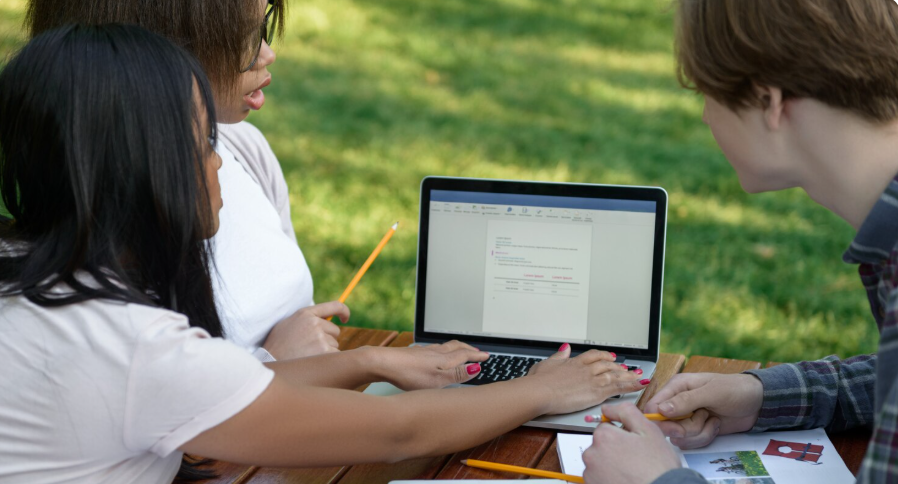
The internet contains a large amount of educational information, but not every article is accurate or suitable for academic use. Students need to evaluate online resources before depending on them.
Here are some useful practices:
Check the source: Identify the website or organization responsible for publishing the information.
Compare explanations: Consult textbooks, official educational websites, and other reliable sources when studying important topics.
Review publication dates: Information about examinations, admissions, scholarships, and application procedures can change.
Look for supporting evidence: Reliable educational content should explain important claims and provide appropriate references.
Avoid copying content: Use online explanations to understand concepts and develop original answers rather than submitting copied material.
These habits help students become more independent and responsible learners.
Preparing for Examinations With Digital Resources
Examination preparation requires planning, revision, and regular practice. Online educational resources can support these activities when used alongside official syllabuses and study materials.
Understand the Examination Syllabus
Students should begin by reviewing the official syllabus and identifying the topics they need to cover. This helps prevent unnecessary studying and makes preparation more organized.
Divide Topics Into Smaller Sections
Large chapters can feel difficult to manage. Breaking them into smaller sections makes revision more practical and allows students to monitor their progress.
Practise Previous Questions
Previous examination papers and sample questions can help students understand question patterns and identify areas requiring more preparation.
Always verify that practice materials match the relevant examination, syllabus, and academic year.
Review Mistakes
Incorrect answers can reveal gaps in understanding. Students should review their mistakes, revisit the relevant concepts, and practise similar questions.
Maintain a Balanced Routine
Regular breaks, sufficient sleep, and a manageable timetable are important parts of effective preparation. Studying continuously without rest can reduce concentration and make revision less productive.
Exploring Career and Skill Development Opportunities
Education also involves preparing for life beyond school or college. Students often need information about higher education, professional qualifications, employment opportunities, and practical skills.
Online resources can help learners explore these areas and understand the options available to them.
Researching Academic Options
Students can use educational websites to learn about different courses, institutions, eligibility requirements, and admission processes. Important information should always be confirmed through official university or institution websites.
Developing Digital Skills
Digital literacy is useful across many professions. Students can gradually develop skills in areas such as:
- Word processing and spreadsheets.
- Online research and information evaluation.
- Presentation design.
- Basic programming concepts.
- Digital communication.
- Online collaboration and file management.
These abilities can support academic projects and future workplace responsibilities.
Understanding Career Paths
Exploring different professions can help students identify their interests and strengths. Career research should include information about qualifications, responsibilities, required skills, and realistic employment opportunities.
What Makes an Educational Website Useful?
Not every website that publishes study-related articles provides dependable educational guidance. Readers should consider several factors before using an online platform regularly.
| Evaluation factor | What readers should check |
|---|---|
| Content accuracy | Whether information is correct and supported |
| Educational value | Whether articles explain useful concepts |
| Readability | Whether information is clear and organized |
| Updated information | Whether time-sensitive details are current |
| Transparency | Whether ownership and contact information are available |
| Source quality | Whether references come from dependable sources |
For iStudyInfo.org, readers should apply these checks directly to the .org website rather than relying on descriptions of similarly named domains.
Challenges of Learning Through the Internet
Online learning offers flexibility, but it also requires discipline and careful decision-making.
Information Overload
Students may find too many explanations, articles, and videos about the same topic. This can make it difficult to identify the most useful material.
Choosing a small number of dependable resources can make learning more focused.
Digital Distractions
Social media notifications, entertainment applications, and unrelated websites can interrupt study sessions. Students can reduce distractions by using focused study periods and limiting unnecessary notifications.
Unverified Educational Advice
Some online articles may contain outdated or incomplete information. Students should confirm important academic details through official institutions and recognized educational sources.
Limited Personal Guidance
Online articles cannot always replace direct support from teachers, tutors, or academic advisers. Students should seek qualified guidance when they face complex academic or career decisions.
The Future of Online Education

Digital education will continue to develop as artificial intelligence, interactive applications, virtual classrooms, and personalized learning tools become more widely used.
These technologies may help students receive explanations suited to their learning levels, practise difficult concepts, and organize their academic activities more efficiently.
However, technology alone cannot guarantee educational success. Students still need curiosity, consistency, critical thinking, and guidance from reliable sources.
Platforms such as iStudyInfo.org exist within this wider digital information environment. Their usefulness depends on how effectively they provide accurate, accessible, and relevant information to readers.
Final Thoughts
iStudyInfo.org can be explored as part of the wider online information landscape, where students and readers search for educational guidance and useful knowledge. Before relying on the platform, visitors should verify its exact content, check the credibility of its information, and distinguish it from similarly named websites.
Online learning resources are most valuable when they support independent thinking, encourage good study habits, and help learners make informed decisions. By combining digital information with textbooks, classroom instruction, and verified educational guidance, students can build a stronger foundation for academic and professional development.
Frequently Asked Questions
1. What is iStudyInfo.org?
iStudyInfo.org is an online domain associated with educational and informational content. Visitors should review the exact website to confirm its current topics, services, and resources.
2. How can online educational platforms help students?
Online educational platforms can provide study guidance, explanations, tutorials, and information about academic opportunities. They also allow students to explore topics at their own pace.
3. Can students use online resources for examination preparation?
Yes. Students can use online resources for revision, practice questions, and subject explanations. They should confirm that the materials match their official examination syllabus.
4. How can students identify reliable educational information?
Students should check the source, publication date, supporting references, and accuracy of the information. Comparing important details with official educational websites is also recommended.
5. Are iStudyInfo.org and iStudyInfo.com.in the same website?
They use different domain extensions and should be treated as separate websites unless a verified connection between them is established. Readers should check each domain independently before relying on its content.
Read More: TheOperatorMagazine and How Digital Publishing Connects Readers With Modern Trends


One thought on “iStudyInfo.org and How Digital Learning Resources Help Students Build Knowledge”